The Context
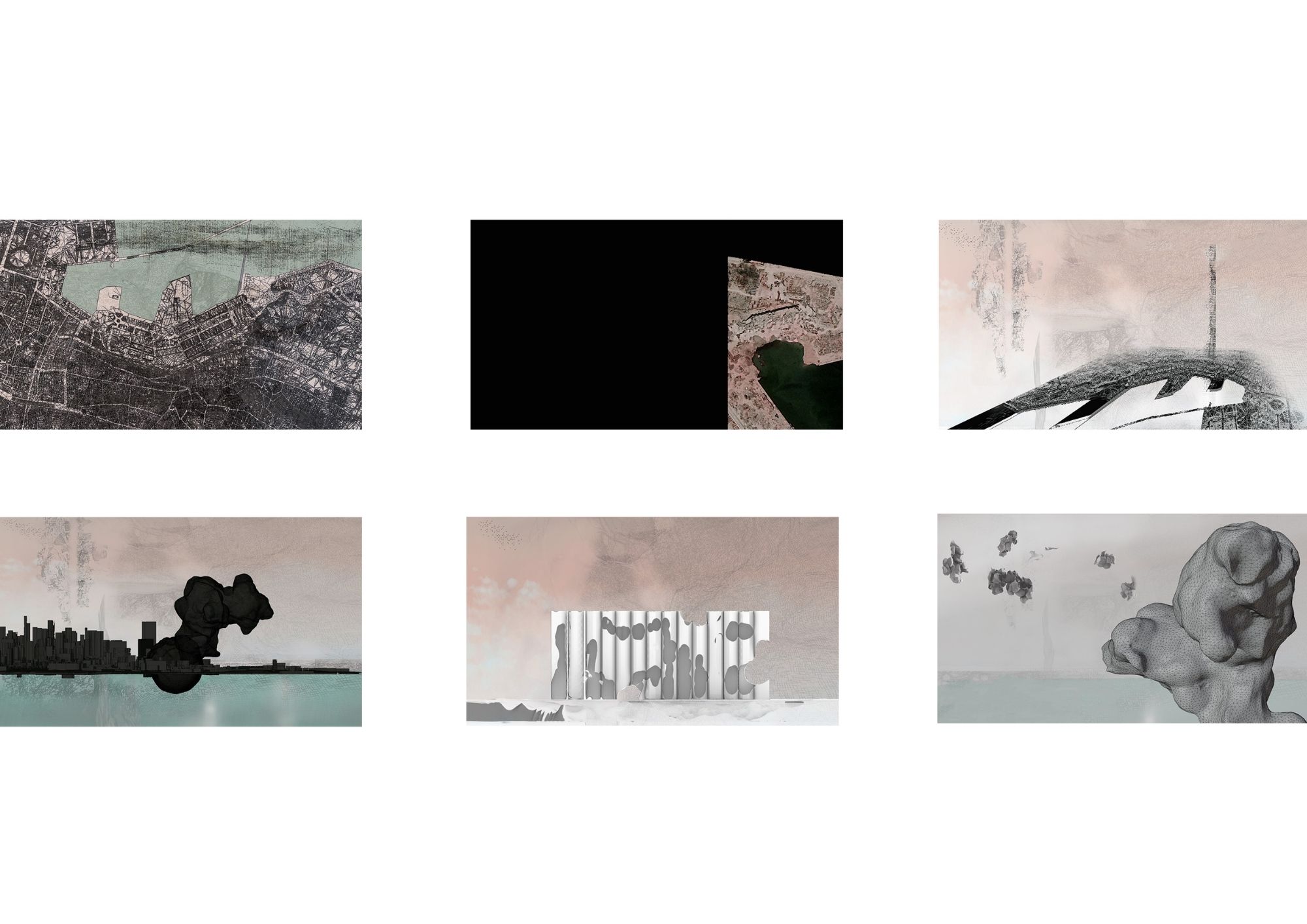
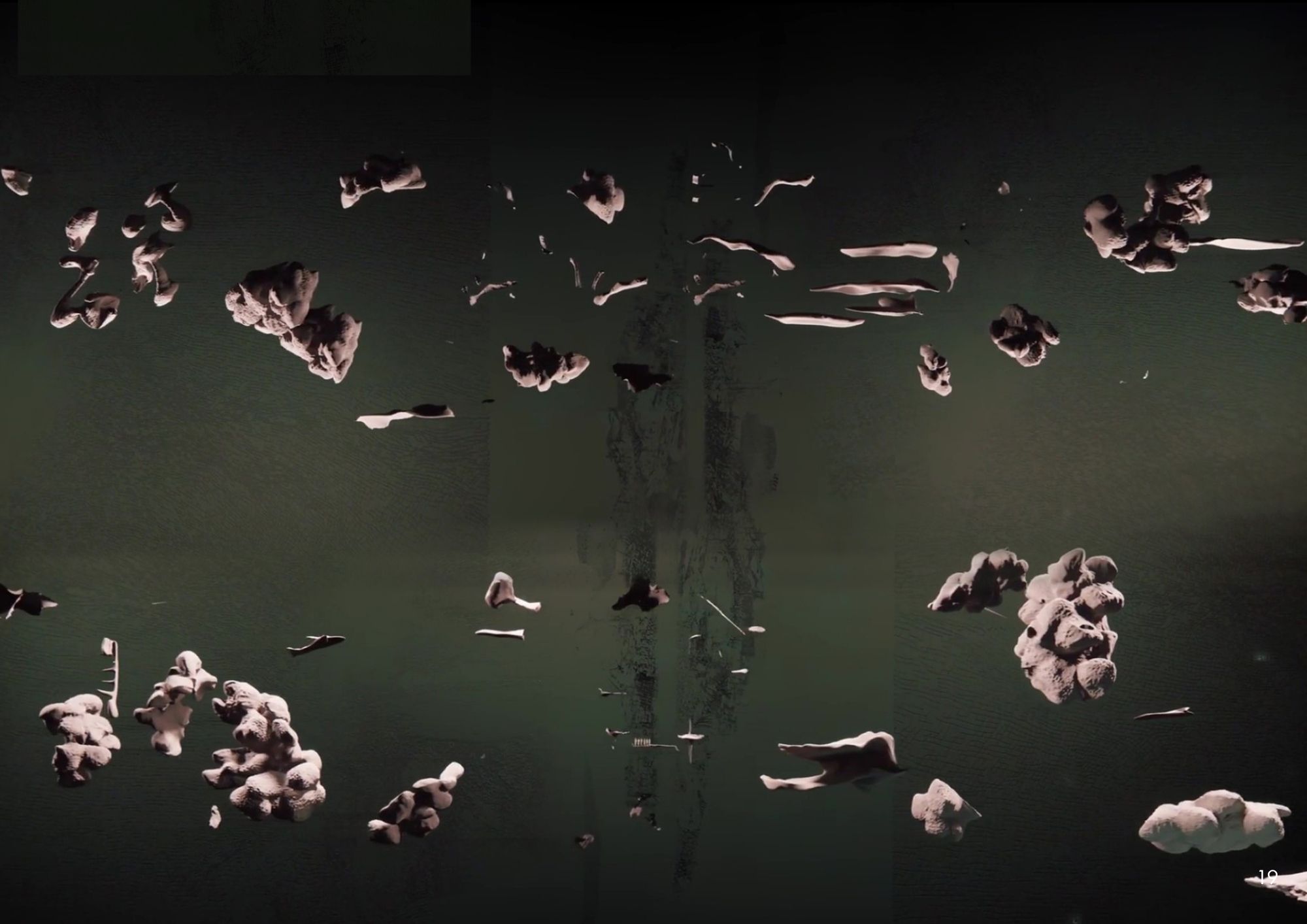
On August 4th, 2020, the Port of Beirut exploded. 30,000 people lost their homes. The city was shattered. We were architecture students in Beirut. We were tasked with designing emergency cells within the silos of the port, the structures nearest to the crater.
This project did not try to heal the wound. It tried to show it.
The Idea
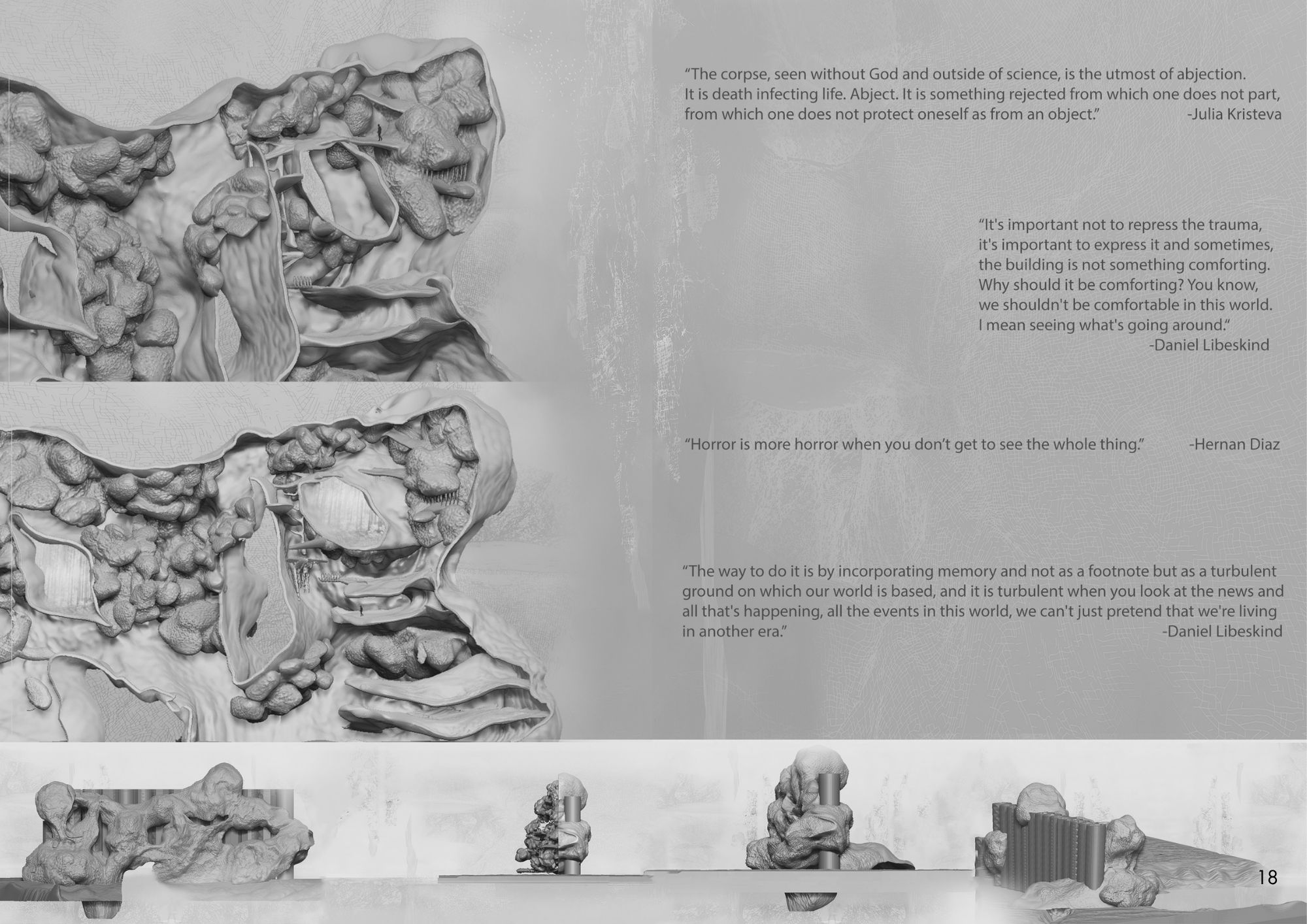
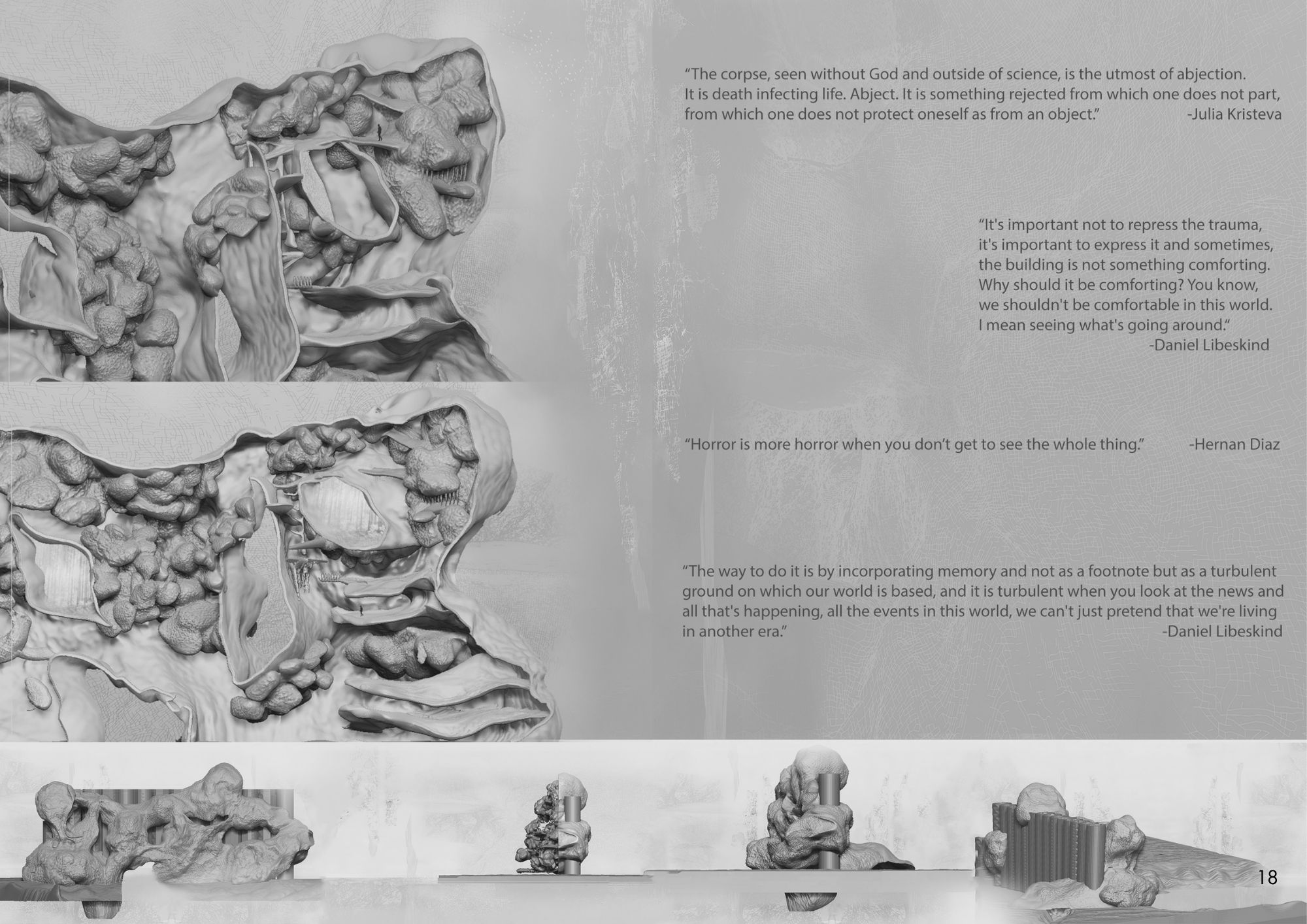
The project is experimental by nature, born from the belief that architecture, in this moment, had an obligation to confront rather than comfort. Inspired by Carl Jung’s concept of “the shadow” (the uncanny, the unwanted darkness we carry), the project glorifies ugliness, disgust, brutality, and repulsion: the notions that were inseparable from the reality Beirut was living.
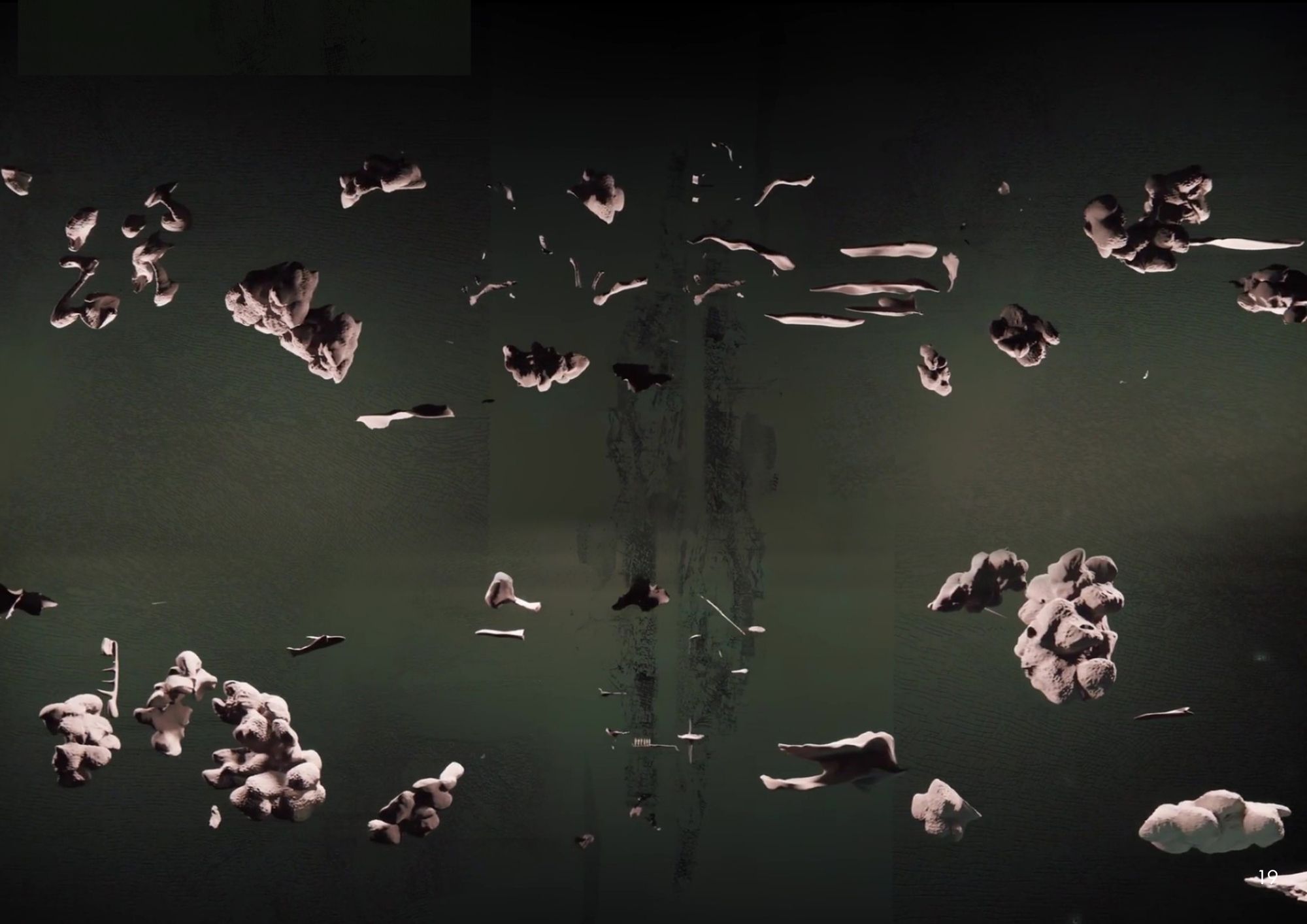
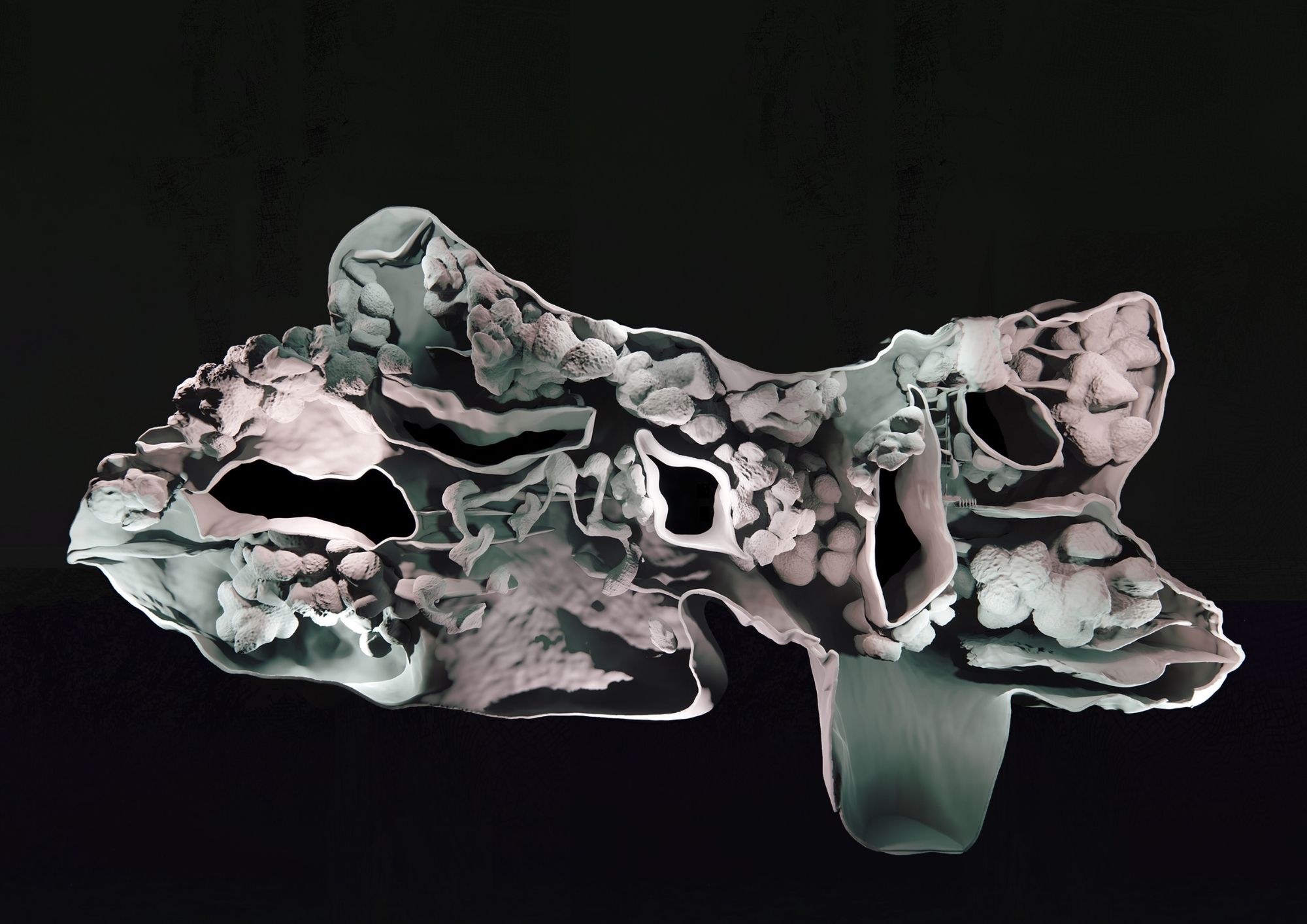
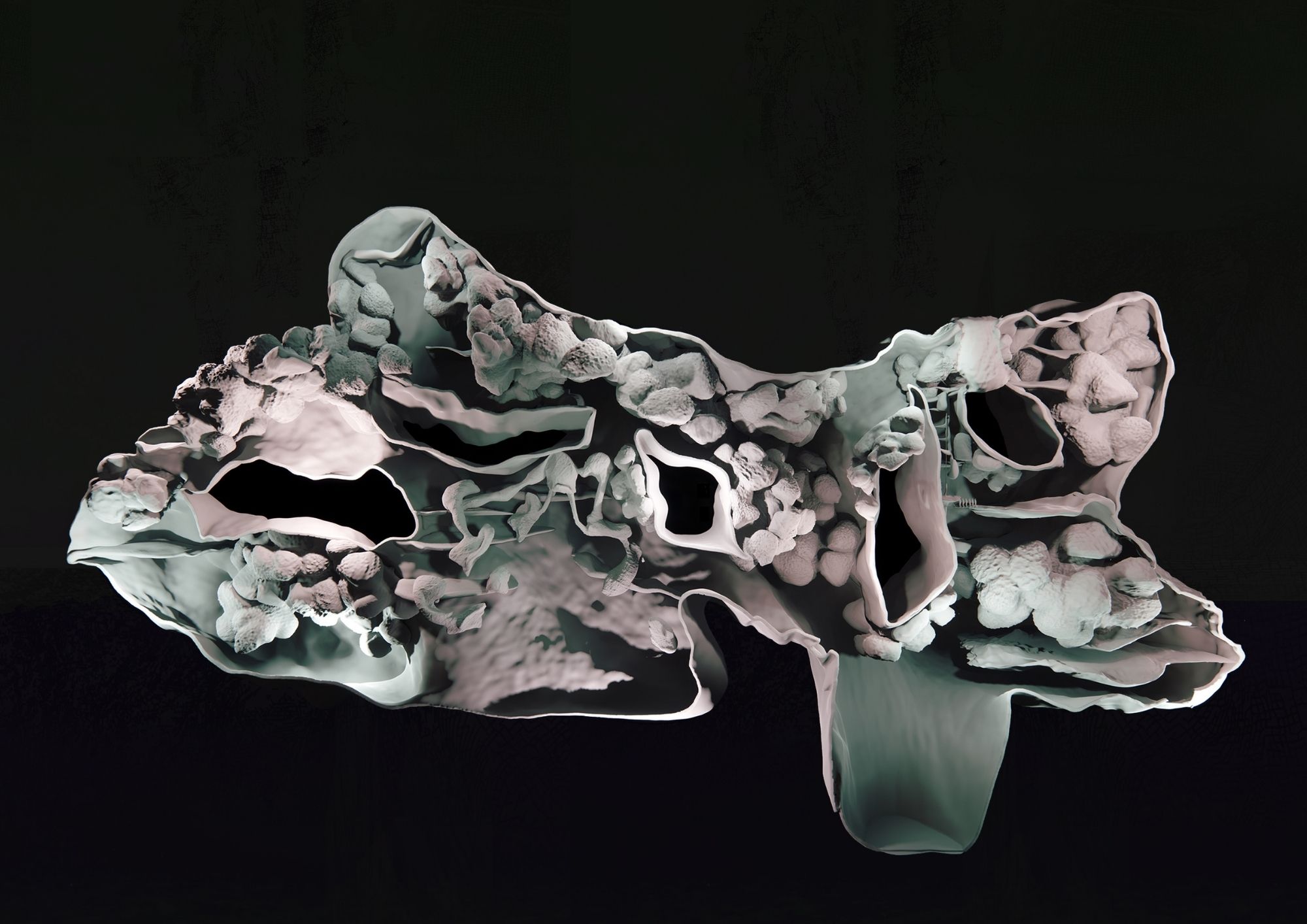
The silos mutate into a grotesque creature. The architecture exposes a simulation of the reality perceived by the city’s citizens: not the city as it wished to be seen, but the city as it was.
The Program
Six functions were integrated into the journey through the building:
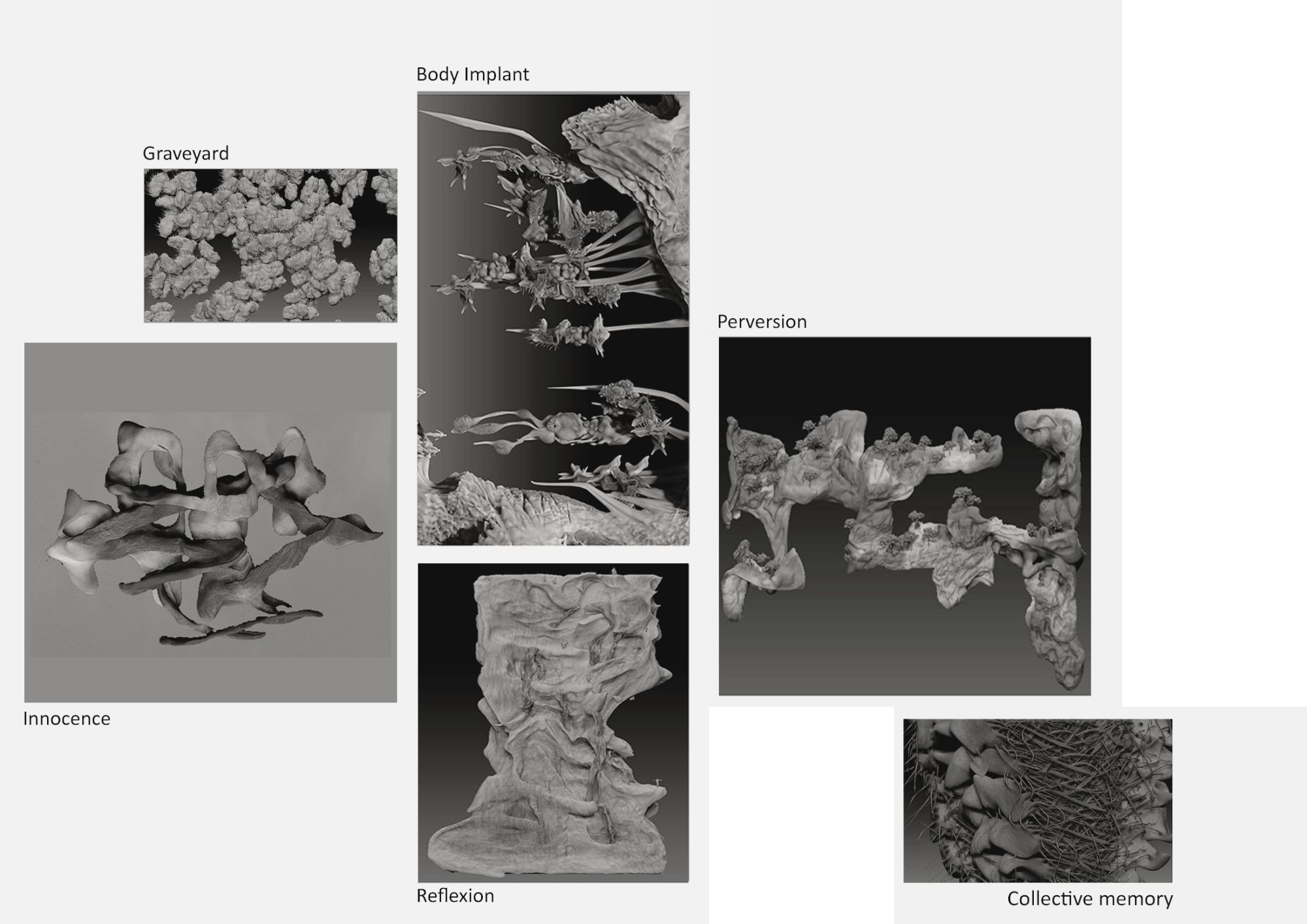
Graveyard: where the unidentified dead of the city are buried. Perversion: a morally provocative landscape where trees are nourished by the ashes of the graveyard. Body Implant: offering those who lost limbs a chance to regain them, augmented into biomorphic forms. Innocence: a playground where children interact with dangerous accessories, unsupervised. A horrifying spectacle for parents. Reflection: a space for visitors to confront their own thoughts. Collective Memory: gathering and projecting memories of the inhabitants and the site.
What This Project Is
This is not a comfortable project. It was not meant to be. It is an honest response to an impossible situation, and a record of what it meant to be a young architect in Beirut in the winter of 2020.
Group project (team of 3). Supervisor: Prof. Hicham Bou Akl, ALBA Beirut.
Gallery